
The Oxygen Sensor: What It Is and Why It Matters at Meineke in Amherst, NH
When you drive along Route 101A, head toward Amherst Street, or pass through Amherst near Baboosic Lake and Ponemah Bog Wildlife Sanctuary, your engine depends on the right balance of fuel and air every mile. Because Amherst weather, traffic, and changing road conditions can affect engine performance, accurate fuel control matters. So, the oxygen sensor plays a major role in helping your engine run efficiently and cleanly.
Additionally, at Meineke in Amherst, our ASE-certified technicians help local drivers maintain strong engine and emissions performance. Because a failing oxygen sensor can lead to poor fuel economy, rough running, and higher emissions, early service helps prevent bigger problems. So, in this post, you’ll learn what the oxygen sensor is, how it works, why it is important, how to maintain it, and when to visit Meineke in Amherst.
What the Oxygen Sensor Is and How It Works
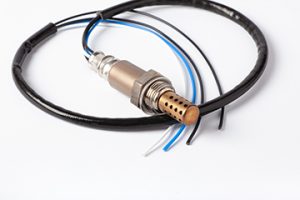
The oxygen sensor is a part of the exhaust system that measures the amount of oxygen in the exhaust gases. Because the engine needs the correct fuel and air mixture, the oxygen sensor sends information to the engine computer. So, the computer can adjust the mixture for better performance.
Then, the oxygen sensor helps the engine burn fuel more efficiently. Also, it supports cleaner emissions and smoother operation. Because fuel control matters, the oxygen sensor helps your vehicle perform properly while driving around Amherst.
Why the Oxygen Sensor Is Important
The oxygen sensor protects your vehicle in several important ways:
- Because it helps control the fuel and air mixture, it improves fuel economy.
- So, it supports smoother engine performance.
- Also, it helps reduce harmful emissions.
- Then, it helps protect the catalytic converter from damage.
- Because emissions performance matters, a healthy oxygen sensor helps your vehicle pass inspection.
- So, strong oxygen sensor performance helps Amherst drivers avoid costly repairs.
How to Maintain Your Oxygen Sensor
Simple habits help keep your oxygen sensor in good condition:
- Because engine problems can affect the oxygen sensor, address warning lights quickly.
- So, keep up with regular tune-ups and oil changes.
- Also, repair exhaust leaks as soon as possible.
- Then, use quality fuel and avoid contaminants in the fuel system.
- Because worn spark plugs can affect emissions, replace them at the recommended interval.
- So, trust Meineke in Amherst for emissions testing and preventative maintenance.
When to See a Mechanic in Amherst
So, visit Meineke in Amherst if you notice these warning signs:
- Because the check engine light appears on the dashboard.
- So, fuel economy drops without explanation.
- Also, the engine runs rough or hesitates.
- Then, emissions increase or the vehicle fails inspection.
- Because the engine idles poorly.
- So, the exhaust smells stronger than normal.
- Additionally, performance feels unreliable while driving near roads like Boston Post Road or near Hollis Road.
So, Call Meineke in Amherst Today for a Quick Check-Up
So, the oxygen sensor plays a major role in helping your engine run efficiently and cleanly. Because Amherst drivers deal with changing weather, traffic, and daily wear, maintaining the oxygen sensor helps improve fuel economy and prevent expensive repairs. Then, the ASE-certified team at Meineke in Amherst can inspect your oxygen sensor, diagnose emissions issues, and keep your vehicle ready for every drive.
Meineke in Amherst is your car care partner in New Hampshire:
Meineke #689
88 State Road 101
Amherst, NH 03031
Call (603) 769-3019
Meineke Car Care Center in Amherst, NH
